How Can AI Chips Break Through in the Post-Moore Era? 2026 Greater Bay Area Semiconductor Expo Focuses on Advanced Packaging and Ecosystem Collaboration
后摩尔时代AI芯片如何破局?2026湾芯展聚焦封装与生态合作
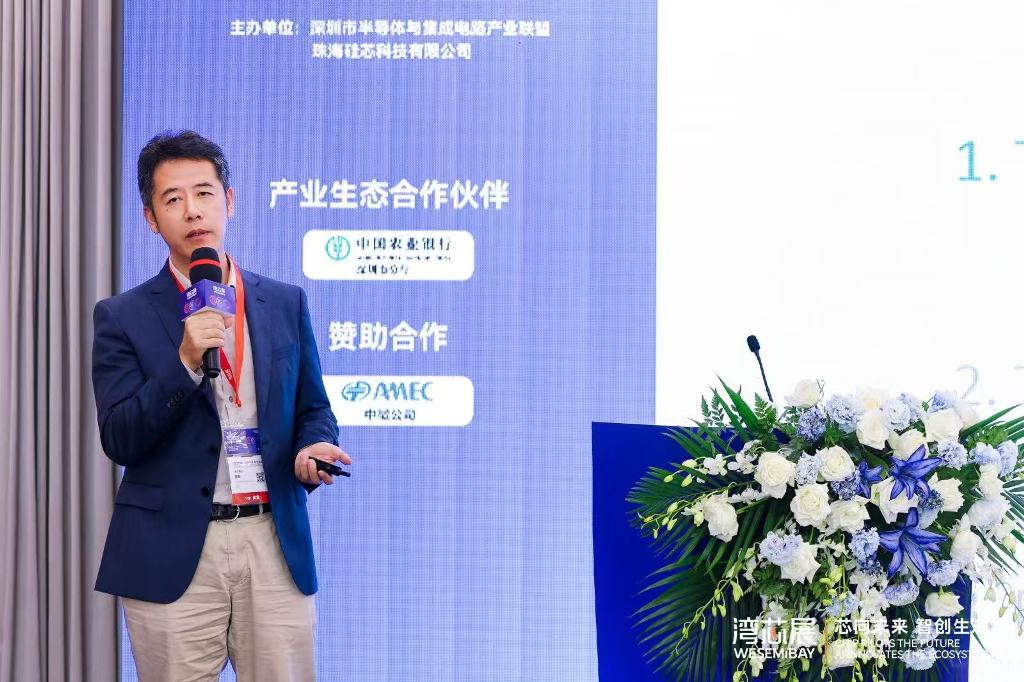
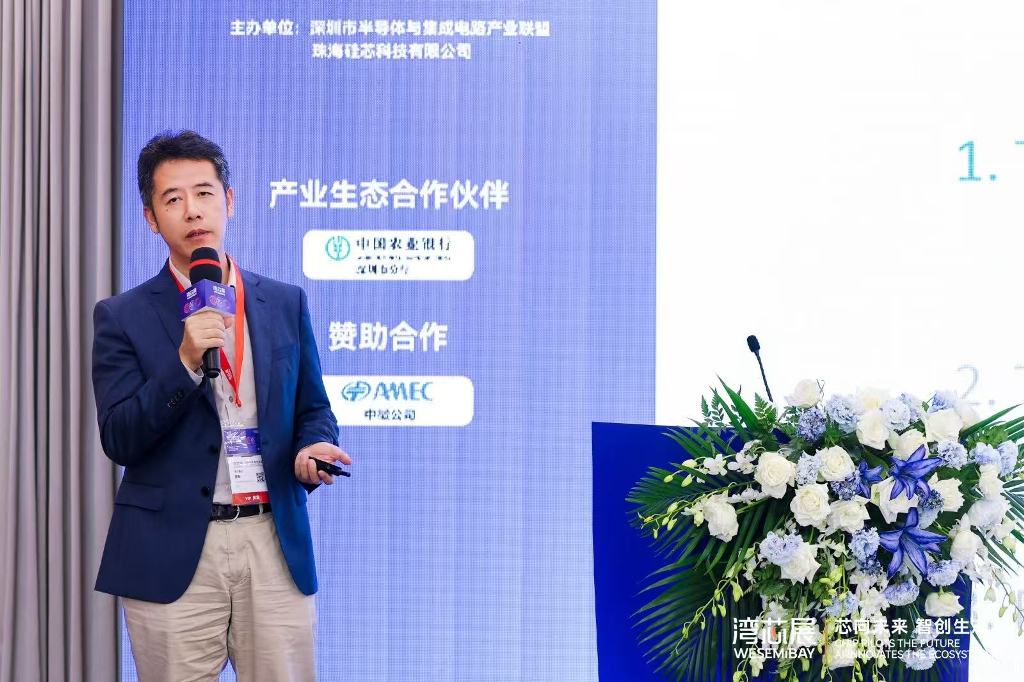
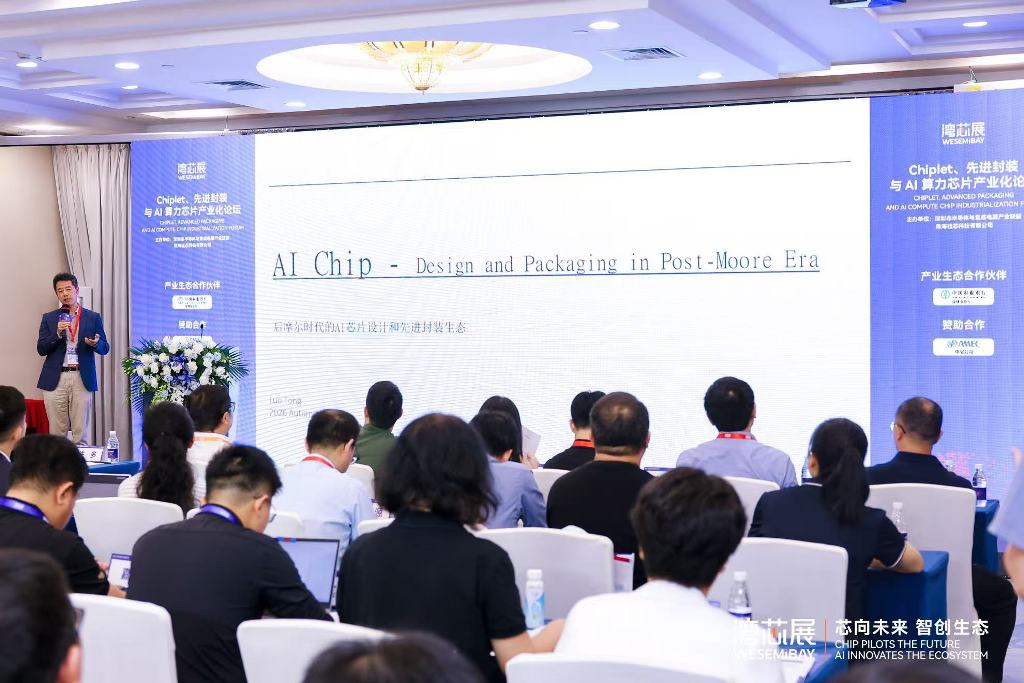
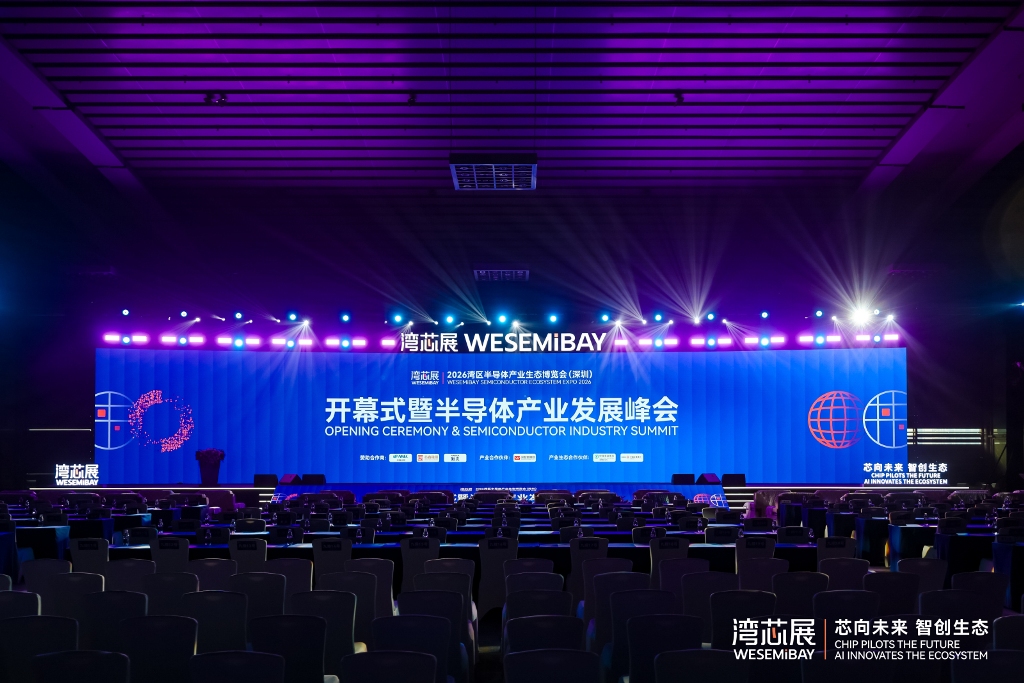
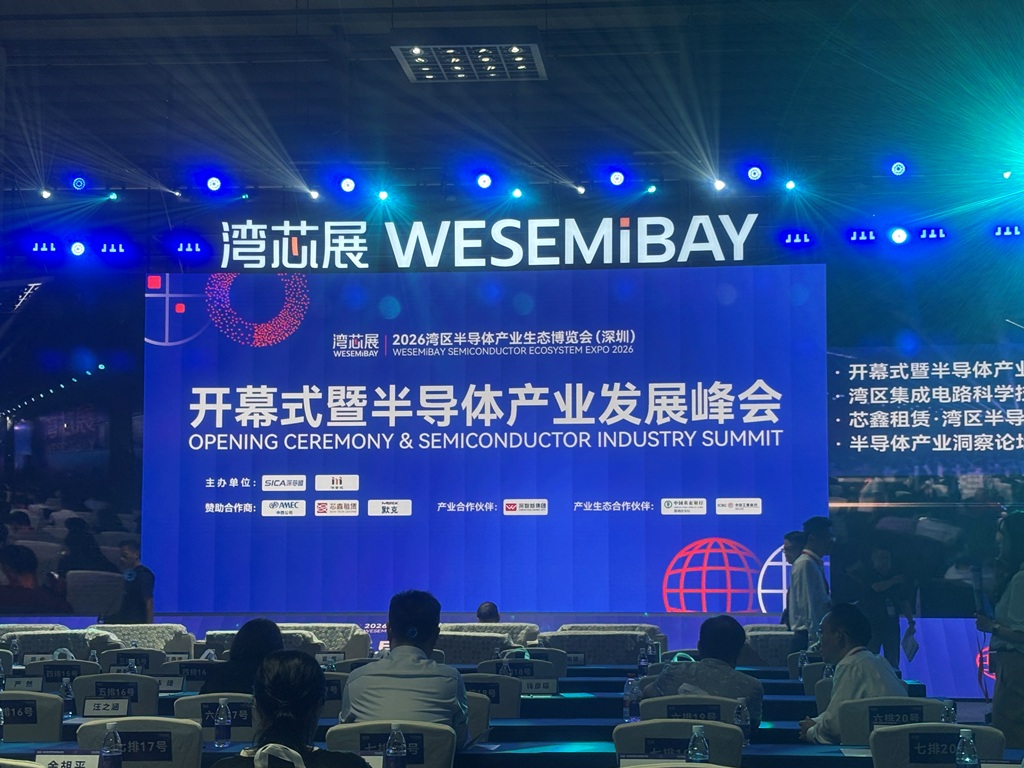
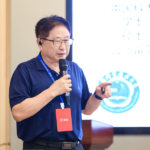
At the “Greater Bay Area Semiconductor Ecosystem Expo” held on October 14, 2026, Luo Tong from Asia Pacific Science and Technology Association (APSTA), CEO of Ahlomicro, delivered a keynote speech outlining the development trajectory for AI chips and the advanced packaging industry in the post-Moore era, focusing on three dimensions: growth logic, physical limitations, and regional collaboration.
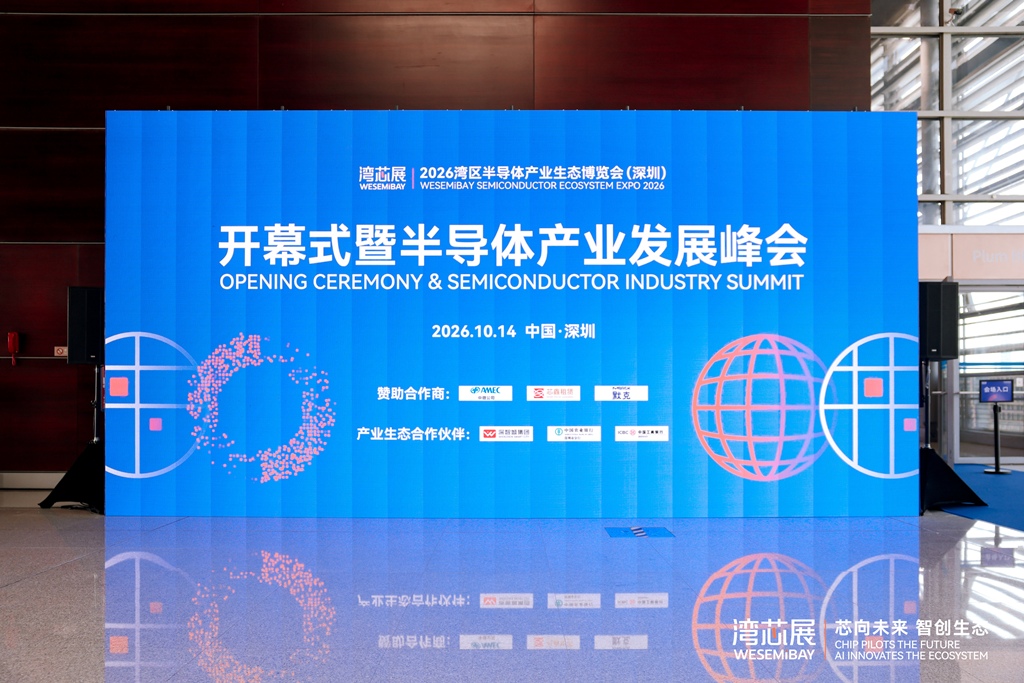
2026年10月14举行的“2026湾区半导体生态博览会”上,来自亚太科技协会APSTA的Ahlomicro首席执行官罗彤发表演讲,从增长逻辑、物理限制与区域合作三个维度,阐述后摩尔时代AI芯片与先进封装产业的发展方向。
Luo Tong pointed out that the AI industry exhibits long-term exponential growth: since 2016, the training costs for cutting-edge AI models have increased 2.4 times annually. Between 2025 and 2030, the four leading large-model developers are projected to invest a combined total of $5.3 trillion—a figure more than ten times the combined cost of the Apollo program, the Marshall Plan, and the Manhattan Project. “Any demand that does not follow a long-term exponential growth trajectory is no longer worth our attention.”
罗彤指出,AI行业呈现长期指数增长特征:自2016年以来,前沿AI模型训练成本每年增长2.4倍;2025至2030年,四大顶级大模型厂商预期资本投入合计高达5.3万亿美元,是阿波罗计划、马歇尔计划和曼哈顿工程总和的10倍以上。”任何非长期指数增长的需求,都不再值得关注。”
Using DRAM as an example, he analyzed the industry’s transformation: around the time Elpida Memory collapsed in 2012, Moore’s Law began to fail in the DRAM sector because capacitors could no longer be scaled down. “Past semiconductor cycles were essentially defined by a mismatch between demand, which doubled every three years, and supply, which doubled every two years.” Luo emphasized that without the support of Moore’s Law, the supply side has lost its capacity for exponential growth—to the point where even doubling output every five years has become unsustainable. This is the fundamental logic driving the profound shifts across the entire chip design, packaging, and testing supply chain—a challenge for end-users, yet an opportunity for suppliers.
他以DRAM为例剖析产业变局:2012年尔必达倒闭前后,由于电容器无法继续微缩,摩尔定律在DRAM行业率先失效。”过去的半导体周期,本质是需求端每三年翻倍与供应端每两年翻倍之间的错配。”罗彤强调,没有摩尔定律加持,供应端失去指数增长能力,五年翻一倍都难以为继。这是整个芯片设计和封测供应链巨变的底层逻辑——对用户是问题,对供应商是机会。
与此同时,能耗约束日益凸显:全球数据中心耗电量预计将从2024年的415太瓦时增至2030年的945太瓦时,推理耗电占比已达60%。在2.5D和3D封装技术加持下,芯片组正成为新的计算单元,28纳米已成为制程性价比巅峰。罗彤判断,”计算单元细微化、算力供应集中化”成为必然趋势,晶圆厂产能扩张与半导体设备、元器件领域蕴藏更大机会。
Meanwhile, energy consumption constraints are becoming increasingly prominent. Global data center electricity consumption is projected to rise from 415 terawatt-hours (TWh) in 2024 to 945 TWh by 2030, with AI inference accounting for 60% of this total. Bolstered by 2.5D and 3D packaging technologies, chiplets are emerging as the new fundamental unit of computing, while the 28nm process node has become the “sweet spot” for cost-performance. Luo concludes that “the miniaturization of computing units and the centralization of computing power supply” have become inevitable trends, creating significant opportunities for foundry capacity expansion, as well as for the semiconductor equipment and components sectors. When discussing regional cooperation, Luo Tong cites ASML as an example: behind a single EUV lithography machine lies the trusted collaboration of over 5,000 suppliers across more than 30 countries. “A nation with a small population cannot possibly do everything on its own; hence, it must earn trust. Being small can, at times, be a different form of strength—a point that serves as an encouragement for both Singapore and the entire Greater Bay Area ecosystem.”
谈及区域合作,罗彤以ASML为例:一台EUV光刻机背后是三十多个国家五千多家供应商的信任协作。”一个人口小国不可能什么都自己做,因此获得信任。弱小,有时候是另一种强大——这对新加坡和整个湾区生态都是鼓励。”
Luo Tong concludes that there are two primary paths for enterprises to integrate into a supply chain: the “machete model” (focusing on solving specific, targeted problems) and the “chain-leader model” (offering systematic, integrated solutions). In an era of rapidly shifting ecosystems, “while the speed of development is important, the speed at which one can experiment, learn from mistakes, and make corrections is even more critical. Innovation is costly and should not be squandered; reusing innovations leads to more efficient connectivity.”
罗彤总结认为,企业融入产业链有”砍刀模式”(解决具体问题)与”链主模式”(系统化整合方案)两条路径。在生态快速变化的时代,”发展速度重要,试错和纠正的速度更重要;创新是昂贵的,不应被浪费,复用意味着更有效率的连接”。



Leave a Reply