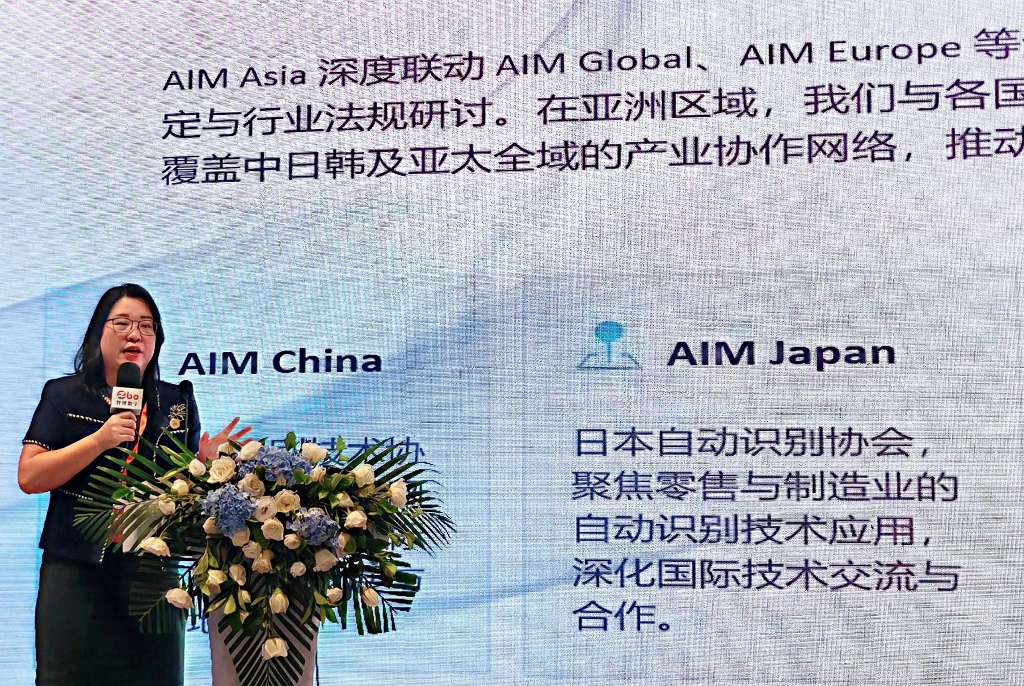
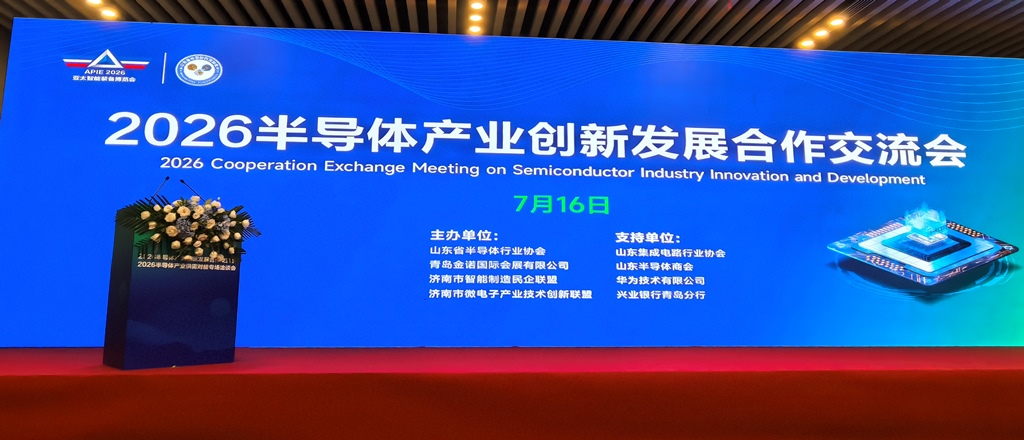
Qingdao, Shandong, July 16, 2026 – At the grand opening of the 7th Asia-Pacific International Smart Equipment Expo (APIE) 2026, Dr. Anna Lau, Vice President of the Asia-Pacific Association for Science and Technology and a renowned expert in supply chain and logistics, was invited to deliver a keynote speech entitled “RFID + AI Driven the Advance Logistics & Supply Chain.”
During more than 20 high-level forums held concurrently with the expo, Dr. Anna Lau pointed out that the global manufacturing and logistics industries are at a critical juncture of transitioning from digitalization to intelligentization, and the deep integration of “RFID (Radio Frequency Identification) + AI (Artificial Intelligence)” is the core engine for breaking down data silos and achieving end-to-end visibility and intelligent decision-making in the supply chain.
2026年7月16日,山东青岛——在今日盛大开幕的2026第七届亚太国际智能装备博览会(APIE) 上,亚太科学技术协会副会长、知名供应链与物流领域专家Dr. Anna Lau受邀发表题为 “RFID+AI Driven the Advance Logistics & Supply Chain” (RFID与人工智能驱动物流与供应链进阶)的主旨演讲。
在展会同期举办的20余场高端论坛中,Dr. Anna Lau她指出,全球制造业与物流业正站在由数字化向智能化跃升的关键节点,而 “RFID(射频识别)+ AI(人工智能)”的深度融合,正是打通数据孤岛、实现供应链全程可视与智能决策的核心引擎。
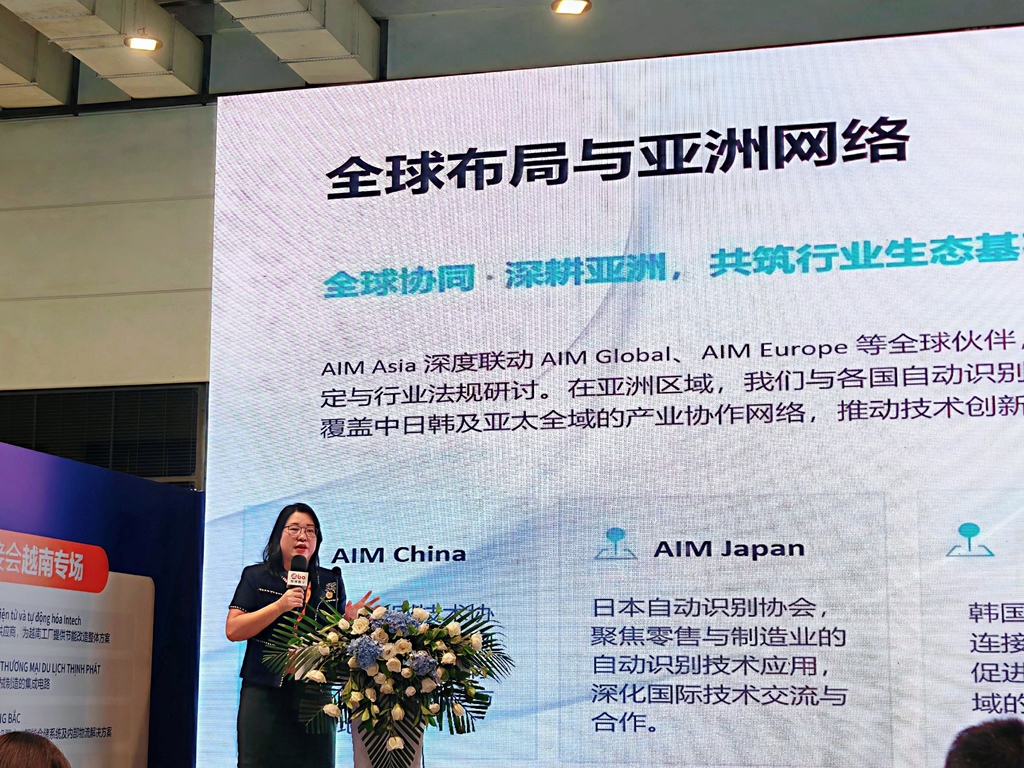
Dr. Anna Lau emphasized three core viewpoints in her speech:
Dr. Anna Lau在演讲中重点阐述了三大核心观点:
First, international industry standards are the “common language” for intelligent interconnection. She stressed that RFID technology is the basic sensing layer for achieving interconnectivity, but without unified international standards, data between systems will not be interoperable, and the value of AI will be significantly weakened. Promoting the internationalization of RFID data formats and communication protocols is a prerequisite for building a global flexible supply chain.
Second, AI injects a “powerful brain” into intelligent manufacturing and automation. She pointed out that the value of AI lies in transforming the massive amounts of data collected by IoT devices such as RFID into productivity. In smart factories, AI can analyze material data fed back from RFID in real time, achieving dynamic optimization of production scheduling and intelligent early warning of quality defects; in the logistics field, AI-driven route optimization and demand forecasting are significantly improving warehousing and distribution efficiency.
Third, automation upgrades must be data-driven at their core. Dr. Anna Lau summarized that the automation of logistics and supply chains should not only be the automation of equipment, but also the automation of decision-making. Through the dual-drive of “RFID sensing + AI cognition,” enterprises can truly build an agile and resilient intelligent supply chain, calmly responding to market fluctuations.
第一,行业国际标准是智能互联的“通用语言”。 她强调,RFID技术是实现物物相连的基础感知层,但若缺乏统一的国际标准,各系统间的数据将无法互通,AI的价值也将被大幅削弱。推动RFID数据格式、通信协议等标准的国际化,是构建全球柔性供应链的前提。
第二,AI为智能制造与自动化注入“最强大脑”。 她指出,AI的价值在于将RFID等物联网设备采集的海量数据转化为生产力。在智能工厂中,AI可实时分析RFID反馈的物料数据,实现生产排程的动态优化与质量缺陷的智能预警;在物流领域,AI驱动的路线优化与需求预测正显著提升仓储和配送效率。
第三,自动化升级需以“数据驱动”为核心。 Dr. Anna Lau总结道,物流与供应链的自动化不应仅是设备的自动化,更应是决策的自动化。通过“RFID感知+AI认知”的双轮驱动,企业才能真正构建起敏捷、韧性的智慧供应链,从容应对市场波动。
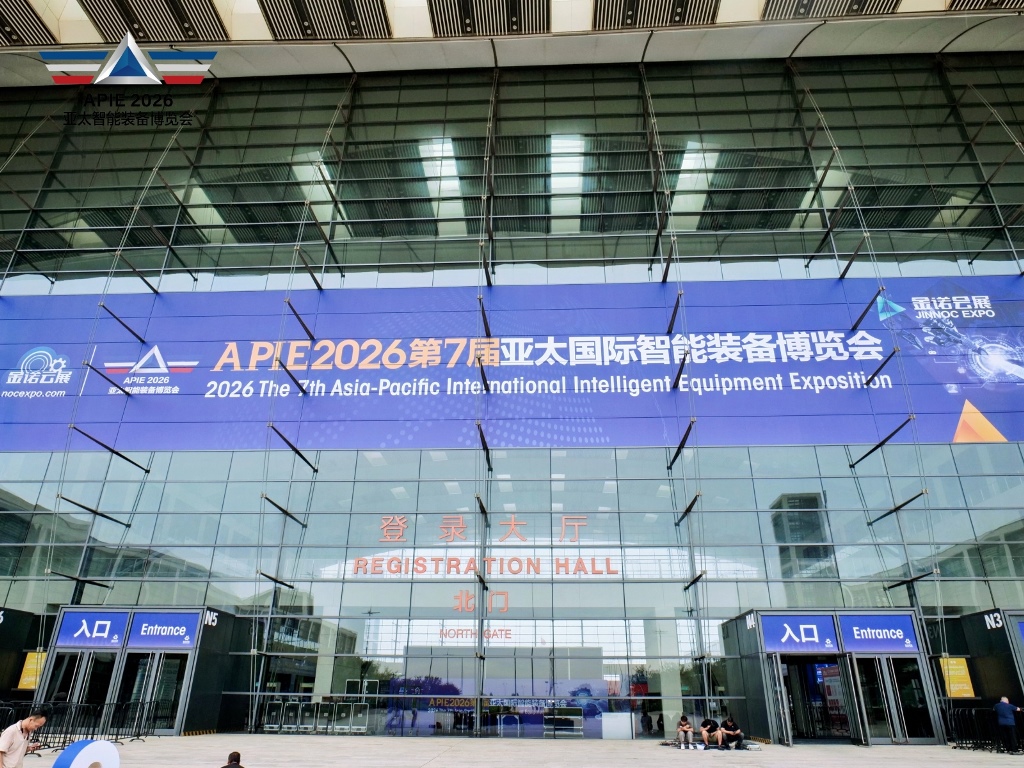
This expo will continue until July 19th, focusing on core sectors such as industrial automation, robotics, and intelligent logistics, comprehensively showcasing overall intelligent manufacturing solutions for industry applications. Dr. Anna Lau’s speech provided highly valuable strategic paths and practices for manufacturing enterprises currently undergoing digital transformation.
本届博览会将持续至7月19日,聚焦工业自动化、机器人、智能物流等核心板块,全面展示面向行业应用的智能制造整体解决方案。Dr. Anna Lau的演讲为正处于数字化转型攻坚期的制造业企业,提供了极具价值的战略路径与实践。

Leave a Reply